
Method · 6 min read
Professional IPL Hair Removal
Professional IPL works on the same basic principle as IPL devices for home use. Light pulses are absorbed by the melanin in the hair and converted into heat. This treats the hair follicle repeatedly and slows hair growth over time.
The key difference is power. Professional devices can operate at higher light intensities than home devices. That can make treatment more intense and the reduction longer-lasting. Even so, professional IPL is not a permanent, guaranteed removal of hair.
Long-lasting hair reduction rather than permanent removal
After several IPL treatments, noticeably less hair usually grows back. The hair that remains can also become finer and lighter. How long the effect lasts depends on hair color, skin type, body area and individual hair growth.
Be careful with clinic marketing. Terms like “permanent hair removal” or “hair-free forever” are sometimes used, even though IPL cannot guarantee that all hair is removed for life. Such wording can give customers a misleading idea of the actual result.
What is usually meant is long-lasting hair reduction. Even after a successful treatment series, individual hairs can grow back. Depending on your hair growth, top-up treatments may be needed later. To understand the difference between “permanent” and “long-lasting” in more detail, read our guide Is “Permanent” Hair Removal Really Permanent?.
How does a treatment work?
Before the first session, a practitioner usually checks whether your skin and hair type are suitable for IPL. Then the skin is prepared and the IPL handpiece is moved across the areas to be treated.
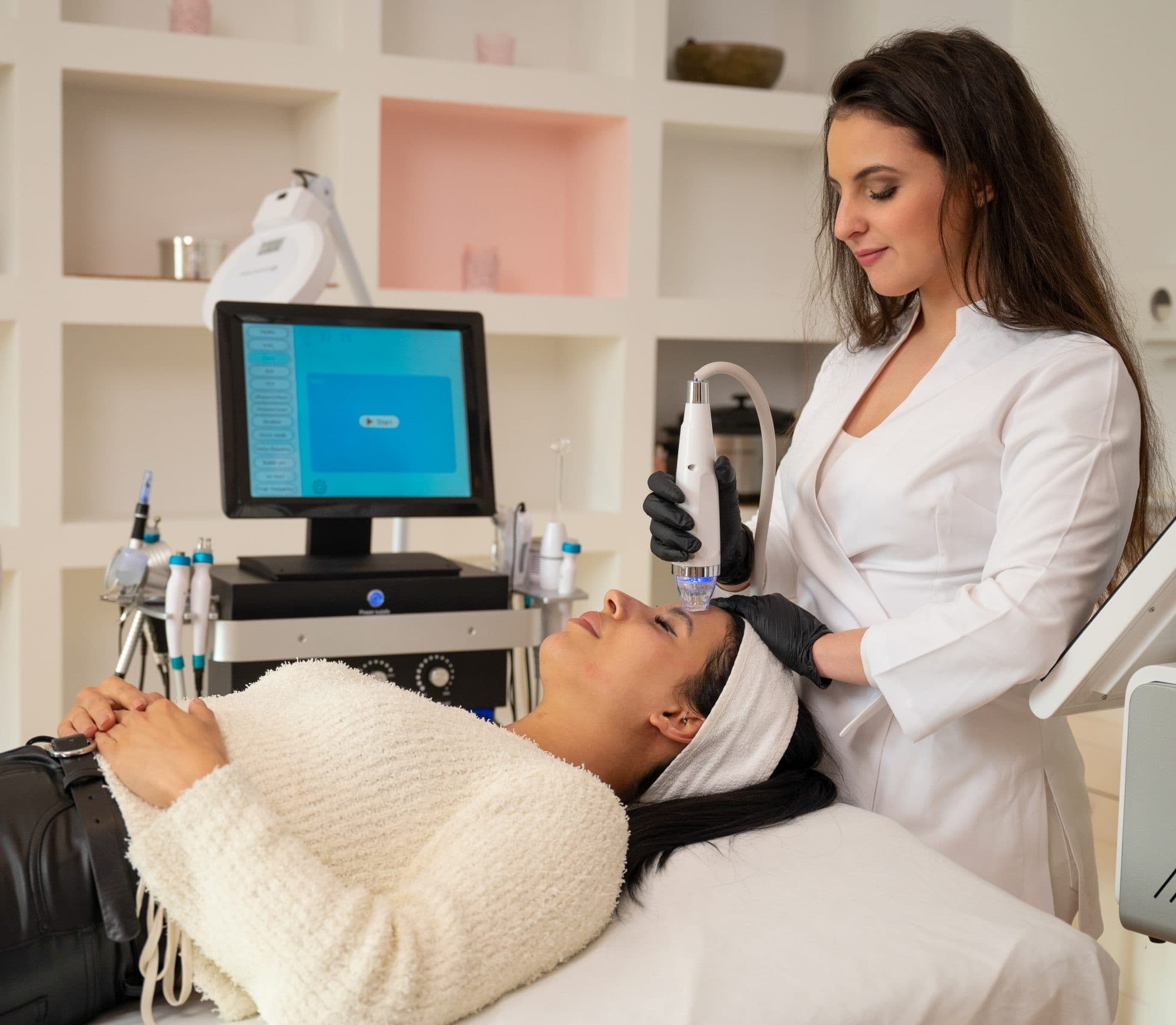
Because IPL mainly affects hairs in certain stages of the growth cycle, several sessions are needed. Sessions are spaced several weeks apart. A single session is not enough to reduce the entire hair growth in a lasting way.
Benefits of professional IPL
The biggest advantage over home devices is the higher power of professional systems. This allows a more intensive treatment, which can lead to a longer-lasting hair reduction than typical home devices.
You also don’t have to buy your own device, and the treatment is carried out by a professional. For larger body areas, that can be more convenient for some people.
Drawbacks and cost
The main drawback is the higher financial cost. Several sessions are needed for a successful result, so costs can add up quickly over the whole treatment series.
There is also the time commitment. Each treatment requires booking an appointment and visiting the clinic. Over a treatment plan that lasts several months, that time can be significant. For an estimate of the total cost for your body area, use our Cost Calculator.
Pros
- higher light intensity than typical home devices
- longer-lasting hair reduction is possible
- performed by professionals
- no device purchase needed
Cons
- significantly higher total cost
- regular clinic appointments required
- several treatments needed
- no guarantee of permanent hair removal
Professional IPL or at-home IPL?
Professional IPL and IPL devices for home follow the same basic principle, but they differ mainly in power, cost and effort. Professional devices can use higher light intensities, which can make treatment more intensive and longer-lasting.
A home device costs much less once you have bought it and can be used at any time at home. Its power is lower, though, and you have to do the treatment yourself.
If you want to spend as little as possible and stay independent of appointments, a home device can give you long-lasting hair reduction. If you prefer a more intensive professional treatment and are willing to pay considerably more, professional IPL may be the better choice.
Bottom line
Professional IPL can noticeably reduce hair growth over a longer period. Because of the higher light intensity of professional devices, the effect can last longer than with typical IPL devices for home.
Despite the common term “permanent hair removal”, IPL should not be equated with a guaranteed, final removal of all hair. A more accurate description is long-lasting hair reduction.
The trade-off for higher power is a considerably higher financial and time commitment. In return, you don’t need to buy a device, and the treatment is carried out professionally.