
Method · 8 min read
IPL Devices for Home
At-home IPL devices allow long-term reduction of body hair without a salon or clinic appointment for every session. The devices use light pulses that are absorbed by the melanin in the hair. This repeatedly heats the hair root, and hair growth slows down over time.
Our two recommendations
Braun Silk-expert Pro 5
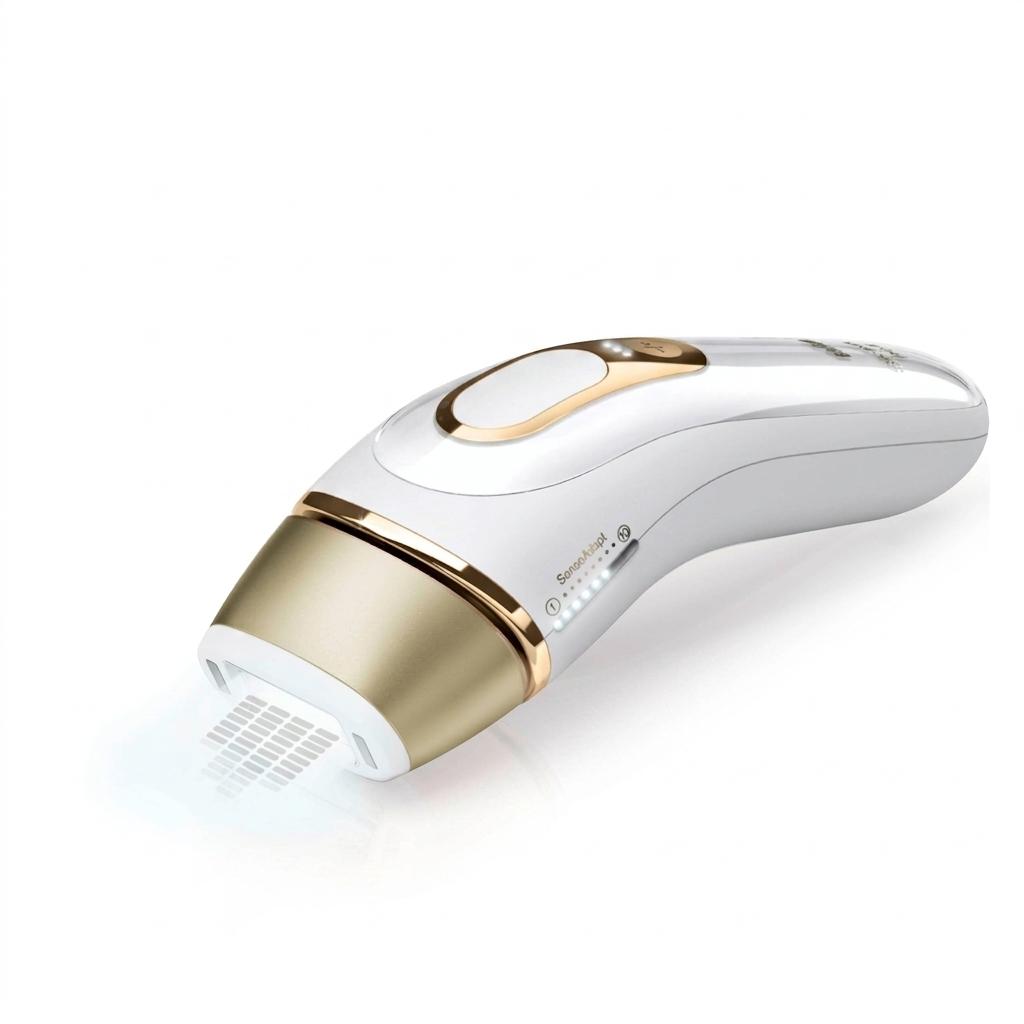
The Braun Silk-expert Pro 5 is one of the more powerful IPL devices for home use. A built-in sensor detects your skin tone and adjusts the light intensity automatically during treatment, which is meant to make application simpler and more even.
Another advantage is the relatively short treatment time. Depending on the model and body area, a full-body treatment can take about ten minutes. How often to use the device at the start depends on the model and Braun’s current instructions. After that, treatment is typically repeated only as hair grows back.
Philips Lumea 9000 Series
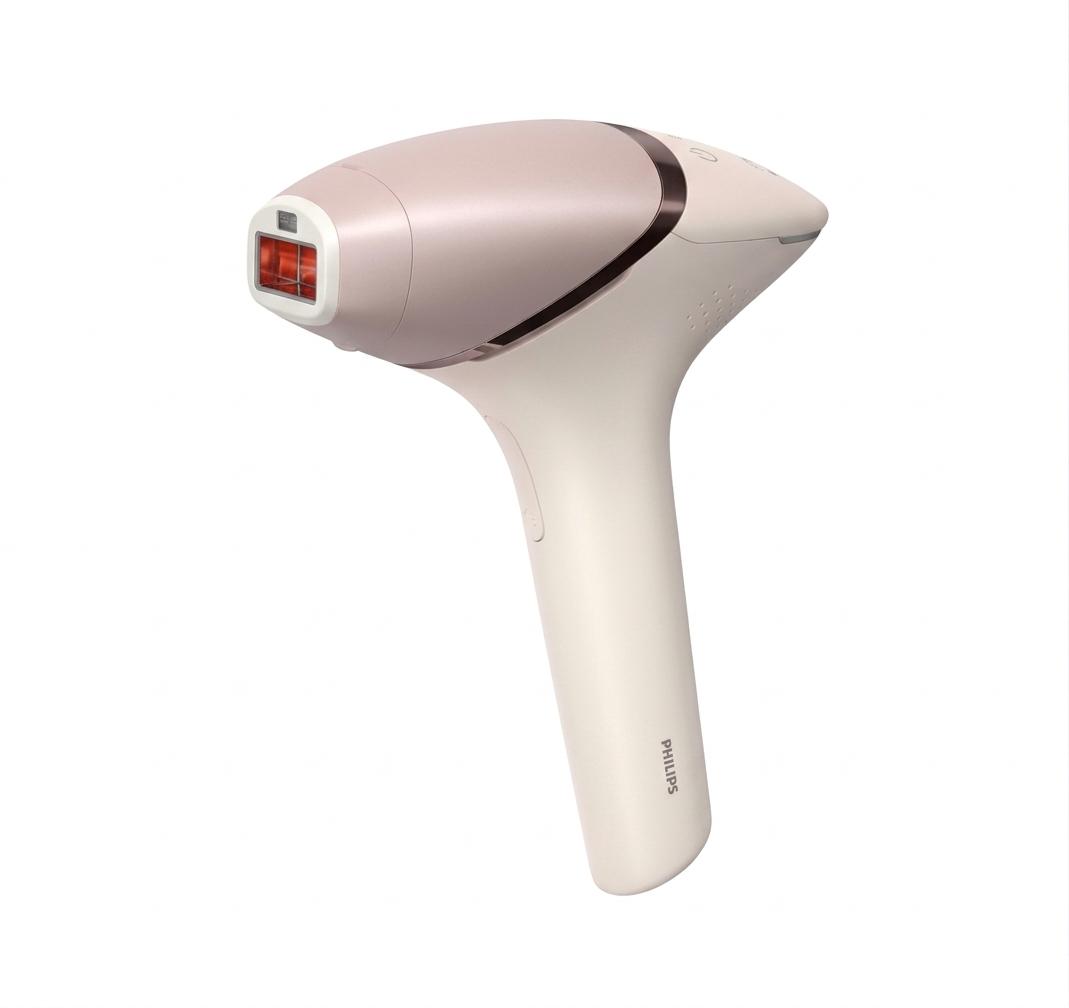
Philips Lumea devices also use IPL and include a skin-tone sensor as well as several attachments for different body areas. Philips lists a flash count of several hundred thousand and five intensity levels for the model featured here.
For the first phase of treatment, Philips recommends four sessions about two weeks apart. After that, treatment is reduced to about once every four weeks. The actual frequency can later be adjusted to how quickly your hair grows back.
How effective is IPL at home?
The effectiveness of IPL depends strongly on hair color, skin type, body area and how consistently you treat. In general, the method works best on darker hair and on a skin tone the device is approved for. The reason is contrast between hair and skin: the light should be absorbed as strongly as possible by the hair and as little as possible by the skin.
Scientific studies of at-home IPL devices show that a noticeable and longer-lasting reduction in hair is possible. However, results differ considerably by device, body area and study method. One systematic review found hair reductions ranging from 6 to 72 percent after repeated treatments for the devices it examined. The evidence is generally positive but does not support a single percentage that applies to every device.
Manufacturers also publish their own studies. For example, Philips reports a noticeable reduction in hair after several uses with its Lumea line. Such figures refer to a specific product under the conditions of the manufacturer’s study and should not automatically be applied to every IPL device.
How often do you need to use IPL?
An IPL treatment usually has an initial phase followed by later top-up treatments. During the initial phase, the device is used regularly so that as many hairs as possible are treated while they are in their sensitive growth phase.
There is no single frequency that suits every device. For the Philips Lumea, for example, the company recommends four treatments two weeks apart, followed by monthly use. For Braun, recommendations vary by model and the current instruction manual.
Always follow the instructions for your own device. Treating more often does not automatically produce better results and can irritate the skin.
How long does a treatment take?
Time depends mainly on the body area and the device. Small areas such as the underarms or face are usually done in a few minutes. Legs or a full-body treatment take longer.
With modern devices, a full-body treatment often takes roughly ten to twenty minutes. The effort per session is therefore relatively low, but you need to keep up the routine consistently over several weeks.
What should you do before treatment?
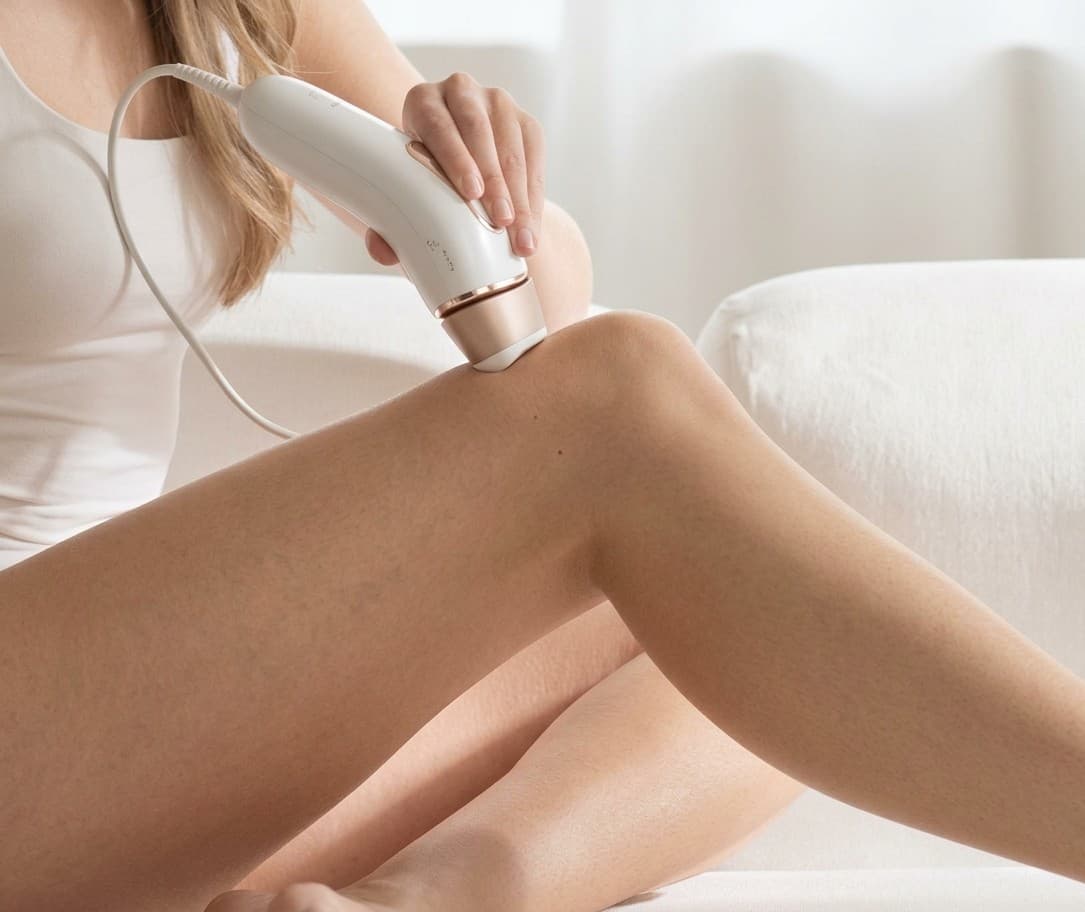
Hair is usually shaved before IPL treatment. The light should reach the hair root and not be absorbed by longer hair above the skin.
Your skin should also not be freshly tanned. Manufacturers specify a waiting period after intense sun or artificial tanning, depending on the device. Before the first use, test a small patch of skin to see how it reacts.
What should you do after treatment?
After an IPL treatment, the skin may be temporarily more sensitive or slightly red. During this time, avoid additional irritation where possible. Depending on how your skin reacts, this includes things like intense heat, strong sun, chlorinated water and heavily fragranced products.
Sun protection is especially important. Treated skin should be protected from intense UV exposure. Specific timeframes and recommendations can vary by device and body area, so check the manufacturer’s manual.
Who is IPL at home suitable for?
IPL generally works best on darker hair with a matching skin tone. Black and brown hair contain enough melanin to absorb the light effectively. On very light blonde, red, gray or white hair, the method works only to a limited extent or not at all.
Very dark skin can also be a limitation with some devices. Before buying, always check which skin and hair types the device is approved for. You can learn more in our guide Which hair removal method works on light hair?.
IPL is also not the ideal solution for a few light individual hairs. In that case, electrolysis may be a better option, because it does not depend on the melanin in the hair.
Bottom line
IPL devices for home are most worthwhile if you want to noticeably reduce hair over a longer period and prefer to treat yourself. The upfront cost is higher than shaving, but after the purchase there are few ongoing costs.
The main advantage is flexibility: you can treat at home without regular clinic visits. It does take patience, because the result builds up over several weeks of repeated treatments rather than after a single use.
If you are looking for a good balance of device cost, time and long-term hair reduction, modern devices such as the Braun Silk-expert Pro 5 or Philips Lumea are worth comparing. What matters most is not a general “best device” but whether a device suits your skin and hair type. To see how the one-time device cost compares with professional treatments, check our Cost Calculator.